I’m turning 29 this year, and for the first time, I’m really seeing myself—as a woman.
Not just someone trying to survive, keep it together, or be what others expect of her—but a layered, evolving, deeply human woman who is still healing, still discovering, and finally honouring her own rhythm.
This post is a bit of a throwback. Back to when “being healthy” morphed into something obsessive and damaging. I went to an all-girls boarding school, and let’s just say the combination of adolescent pressure, silent competition, and unchecked expectations did its thing. Then came failed relationships, finding my value in looks, and letting appearance dictate my worth. I started modeling in my free time, which spiraled into full-time partying in varsity, when I was supposed to be a full-time student.
I wasn’t training. I was eating to be thin, not to be nourished. And I was drinking to feel free, when really I was numbing everything. My body? Completely wrecked. What I didn’t know at the time was that I had PCOS, undiagnosed and unchecked. And mentally, depression had quietly taken the wheel.
What saved me wasn’t a huge transformation—it was a quiet shift. A small, repetitive routine I made for myself out of boredom and structure. It was born out of therapy, medication, and the desperate need for something to hold onto. Eventually, it became a practice. A ritual. A way of surviving the mental noise, and now, a way of managing my triggers and staying grounded in my day-to-day life.
They say life passes you by. But no one prepares you for that moment when you’re 24, physically too weak to function, mentally disconnected, and emotionally flatlining. You realize you haven’t been feeding your body, your soul, or your joy. You’re just withering. And you don’t even realize it until it hurts to be awake.
I won’t get stuck in that part of my story, because that’s not the point. The point is: healing started with the simplest things. The tiniest decisions that, when done consistently, gave me back my power.
But before I share them, here’s something important I’ve had to unlearn:
You have to learn to listen to yourself. Block out the noise. People will always have something to say.
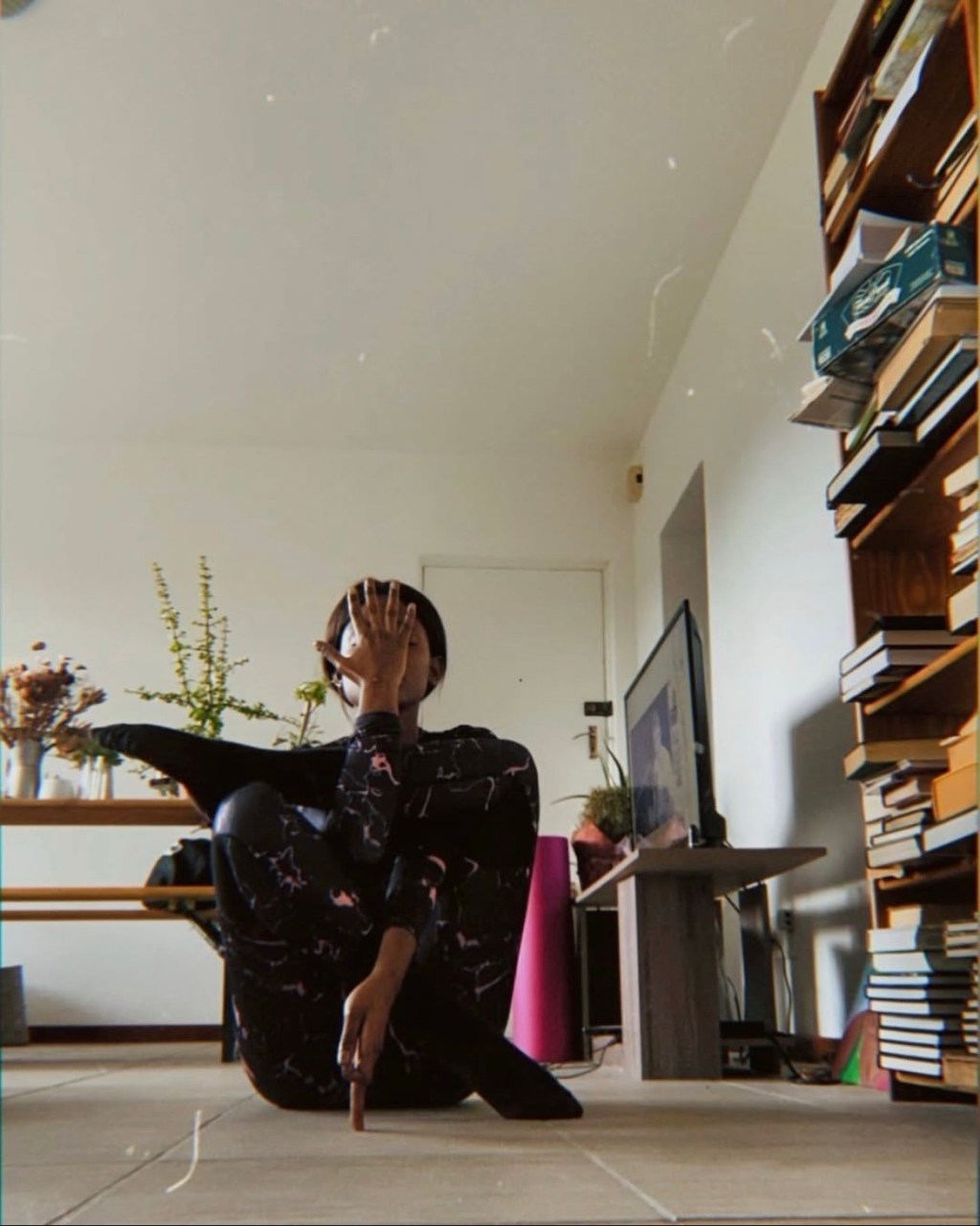
Even now, in a space where I feel mentally and physically stronger than I’ve been in years, there are still voices telling me I’m working out too much. That I’m not disciplined enough. That I should “relax a bit” or “eat more.” What they don’t understand is that movement is no longer about aesthetics or punishment—it’s become a form of meditation for me. It regulates my mood, my appetite, and my thoughts. It’s the space where I reconnect with my body, not try to control it.
Yes, I’m naturally petite—and maybe genetics have played their part—but I’m also taking care of myself from the inside out. According to my doctors, I’m in excellent health. And yet, at nearly 29, I’m still navigating the weight of other people’s expectations of what “healthy” should look like.
It’s not always malicious—sometimes it comes from a place of concern. But I’ve learned that concern without context can still be harmful. We need to be mindful of how we comment on people’s bodies or habits. You don’t know the backstory, the healing, or the daily choices they’ve fought hard to make.
My 5 Daily Mantras That Keep Me Grounded
- I am beautiful, and I love myself.
I say it every day, whether I fully believe it in that moment or not. - Being upset is a choice.
Even when it doesn’t feel that way, I remind myself to shift the energy. I go outside, breathe, sit with nature, and find even the smallest thing to be grateful for. - I’m allowed to feel.
I no longer internalize others’ actions. Most of the time, people’s projections are just reflections of their own discomfort. My peace doesn’t have to fit their picture. - Anger is poison.
It clouds judgment and feeds anxiety. I choose forgiveness—not for others, but for myself. - It’s okay to reward myself.
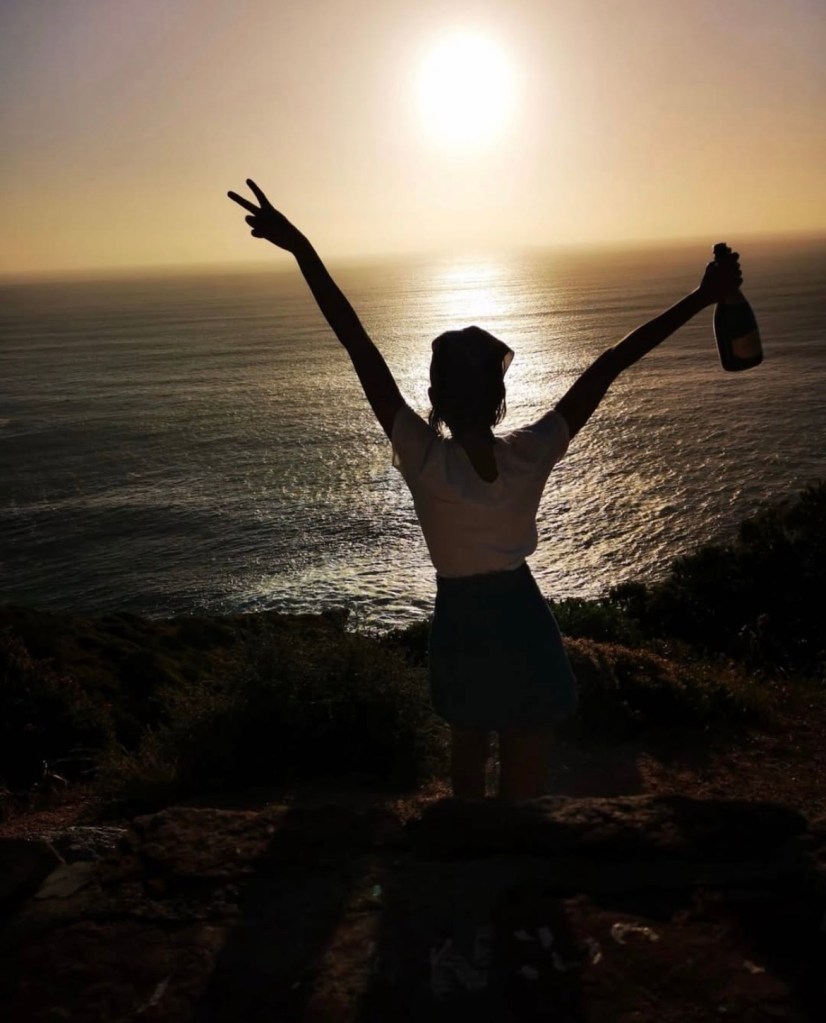
Whether it’s staying consistent in my workout, making it through a hard mental health day, or just choosing joy—celebration matters. Life is for living, not just surviving.
It’s okay to celebrate the wins.
Whether it’s sticking to my workout routine, making it through a tough mental health day, or simply choosing joy in the small moments—celebration matters. Life’s not just about surviving; it’s about living.
This is my balance. It’s imperfect, evolving, and fully mine.
And for the first time in a long time, it feels enough.
 Kumbatia San
Leave a comment